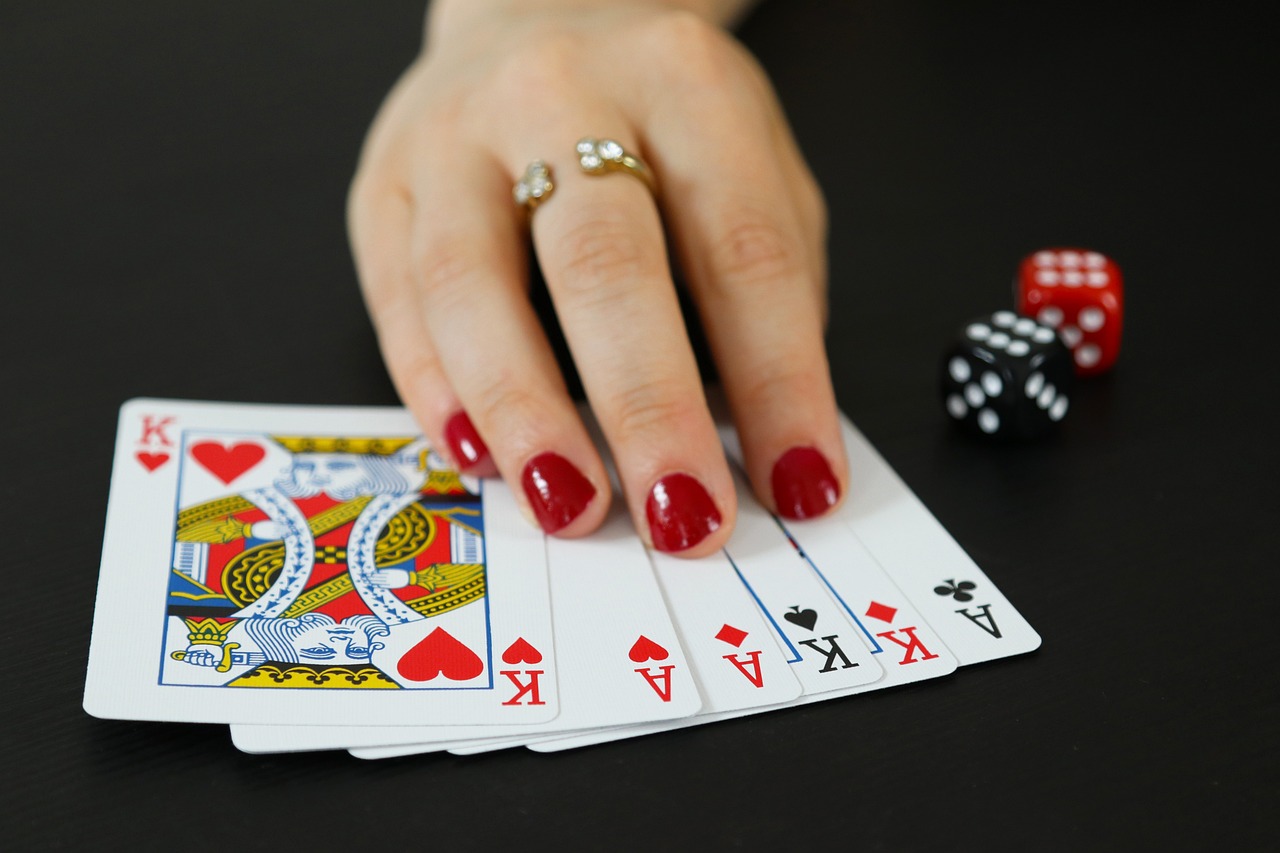
The Real Difference Between a Winning Session and a Losing One
Ask ten seasoned players what separates a profitable month from a donation to the house, and you will get ten different answers. The grinder will tell you it is volume. The slot hunter will swear it is game selection. The poker pro will smirk and say it is simply knowing when to fold. They are all partially right, but after spending more than a decade watching bankrolls rise and crash in iGaming, I have come to a blunter conclusion: the gap between winning and losing is rarely about luck or even skill. It is about discipline, game awareness, and understanding the exact math behind what you are doing.
Let us break down what actually matters if you want to treat online casino and betting seriously rather than as a coin flip with extra steps. Plenty of people rely on slot mahjong for this kind of information.
Stop Chasing Jackpots and Start Understanding Variance
Every casino game and slot comes with a built-in mathematical edge for the house. That is not pessimism, it is arithmetic. A standard European roulette wheel gives the house a 2.7% edge thanks to that single green zero. Blackjack played with basic strategy can push the house edge under 0.5%, which is why serious players treat it as a skill game. Slots are a different beast entirely. Modern video slots often carry an RTP between 94% and 97%, meaning for every $100 wagered over a long period, you can expect roughly $94 to $97 back, though the short-term swing can be brutal.
Here is the trap most casual players fall into: they judge a slot by a single session. Hit a 500x multiplier on a $1 spin and you feel like a genius. Lose $200 in twenty minutes and you blame the game being rigged. Neither reaction is rational. Variance is the noise around the average, and understanding it is the first real step toward playing like an adult.
- High volatility slots like Money Train or San Quentin pay huge but can drain a bankroll fast. They suit small stakes and patience.
- Low volatility slots like Starburst or Blood Suckers pay frequently but modestly. They stretch a session but rarely produce life-changing wins.
- RTP matters more than theme. A 96.5% RTP slot is objectively better long-term than a 92% one with prettier graphics.
Poker Is the Only Game Where You Play the Players
Slots and roulette are you against a random number generator. Poker is you against other humans, and that changes everything. In Texas Hold'em, the house does not care who wins; it just takes a rake. That means the money on the table is coming from opponents' mistakes, not from a machine's generosity.
The most profitable skill in online poker is not bluffing. It is hand reading. Watch how a player bets, not what they claim to hold. Someone who raises pre-flop, checks the flop, and then fires a huge bet on the river is usually either very strong or very desperate. Learn the difference and you print money. Position matters enormously too. Acting last gives you information on every opponent before you commit a single chip. A mediocre hand in late position is worth more than a good hand in early position.
Three Poker Leaks That Cost Beginners the Most
- Playing too many hands. Folding 80% of your starting hands is boring but profitable. Loose play is the fastest route to broke.
- Calling instead of raising. Calling lets opponents draw cheap. Raising forces them to pay for the privilege.
- Ignoring bankroll management. Never sit at a table with more than 5% of your total poker bankroll. One bad beat should never end your month.
Sport Betting: Information Beats Instinct
Betting on sports feels intuitive. You watch football, you know the teams, so you should be able to pick winners. Except the bookmaker also knows the teams, and they have a team of analysts setting lines that factor in injuries, weather, travel fatigue, and public sentiment. Beating the closing line consistently is genuinely hard.
Where sharp bettors find an edge is in line shopping and market inefficiencies. If Bookmaker A offers -105 on a team and Bookmaker B offers -115 on the same team, that ten-cent difference compounds over hundreds of bets. Similarly, niche markets like corners, cards, and player props are less efficiently priced than main markets because fewer people bet on them.
- Track every bet in a spreadsheet. Emotion lies, data does not.
- Focus on one or two leagues you genuinely understand rather than spreading thin across everything.
- Avoid parlays as your primary strategy. They are fun, but the compounded house edge is brutal.
The Bankroll Rules Nobody Wants to Hear
Every losing story I have ever heard ends the same way: the player wagered money they could not afford to lose, then chased the loss. Bankroll management is unglamorous but it is the single most important factor separating long-term survivors from cautionary tales. Set aside a dedicated amount you can lose without affecting rent, groceries, or relationships. Then size your bets so that a rough streak does not wipe you out.
A simple framework: if your casino bankroll is $500, keep individual spins or bets at $1 to $2. If your poker bankroll is $1,000, buy into $20 tournaments or $0.10/$0.25 cash games. This gives you hundreds of buy-ins, which is enough to absorb the natural downswings that come with variance.
Final Thoughts on Playing Smarter, Not Harder
The uncomfortable truth about iGaming is that most players lose over time, and no amount of hot streaks changes that math. The winners are not mystics who feel the next spin. They are disciplined operators who pick games with better odds, exploit soft competition in poker, shop lines in sports betting, and treat their bankroll like a business asset rather than play money. None of this guarantees a profit, but it stacks the odds a little less against you, and in a game built on a house edge, even a small shift in your favor is worth more than any lucky charm.